


2026
What Importers Should Know About Staging Freight Before Final Distribution
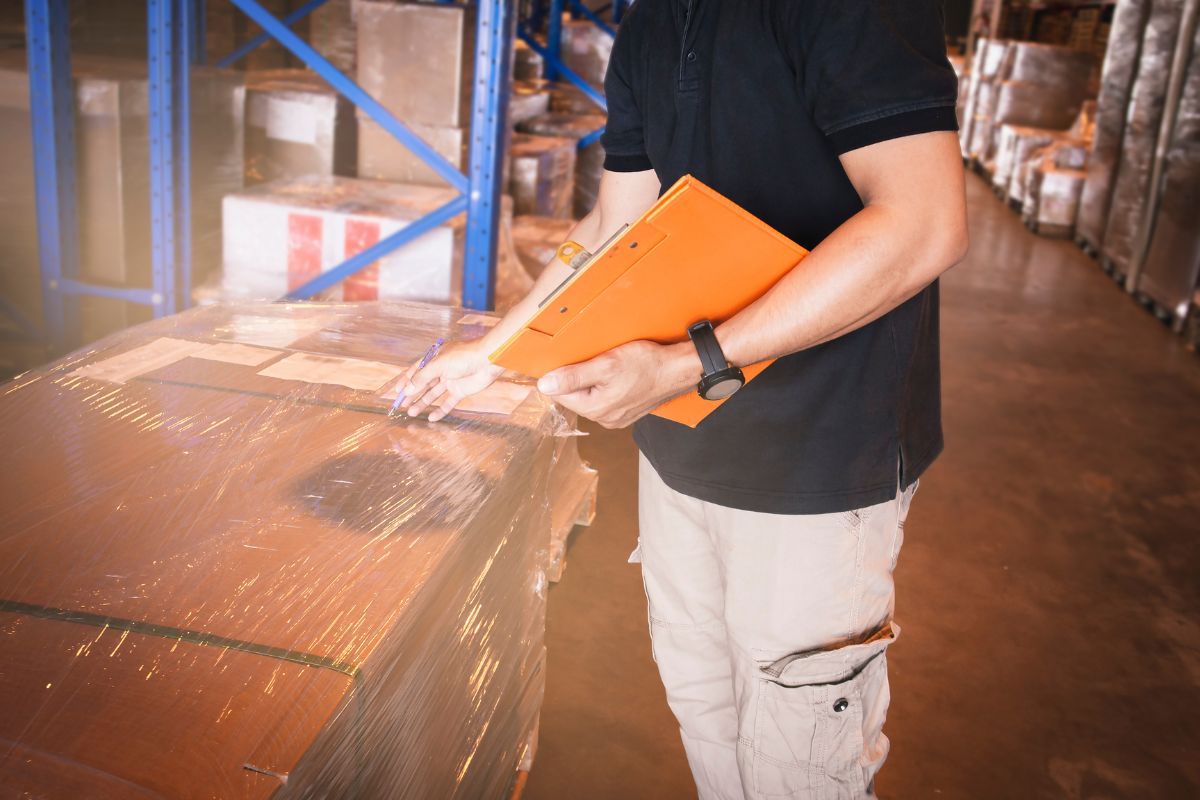
Bringing international goods into the Western Canadian market is a complex logistical puzzle. Between navigating customs regulations, managing ocean freight delays, and coordinating final delivery routes, importers face a constant battle to keep their supply chains moving efficiently. One of the most critical, yet often overlooked, steps in this process is the strategic staging of freight immediately after it arrives in the country.
Staging is not simply about finding a temporary parking spot for a shipping container. It is a deliberate, highly organized phase where bulk imports are processed, sorted, and prepared for their final destinations. By mastering this crucial intermediary step, businesses can drastically reduce their storage costs, accelerate their delivery timelines, and maintain a competitive edge in the bustling Alberta economy.
The Financial Benefits of Strategic Freight Staging
When a massive shipment arrives from overseas, the immediate instinct is often to rush it directly to a retail distribution center or a primary warehouse. However, this direct approach can lead to significant financial penalties. Major retailers and fulfillment hubs operate on incredibly strict receiving schedules. If your freight arrives early, late, or improperly sorted, you risk facing steep chargebacks or having the shipment rejected entirely.
Proper staging acts as a financial buffer against these unpredictable variables. By routing inbound containers to a dedicated staging facility first, importers gain the flexibility to control exactly when and how their goods are delivered. This prevents costly demurrage fees at rail yards and ensures compliance with strict retail routing guides.
The financial advantages of utilizing a professional staging strategy include:
- Avoiding expensive port and rail storage fees by moving containers to a private yard immediately upon arrival.
- Eliminating retailer chargebacks by ensuring all pallets are perfectly sorted and labeled before final delivery.
- Reducing transportation costs by consolidating multiple smaller shipments into full truckloads during the staging phase.
- Optimizing cash flow by utilizing bonded & sufferance warehousing to defer duty payments until the goods are ready to move.
By treating the staging phase as an active management tool rather than a passive waiting period, importers can protect their profit margins from the hidden costs of international logistics.
Streamlining Intake With Professional Destuffing
The condition of freight inside an ocean container rarely matches the requirements of a modern distribution center. To maximize shipping efficiency, international suppliers often floor-load cargo, packing boxes tightly from floor to ceiling without the use of pallets. While this saves money on ocean freight, it creates a massive labor bottleneck once the container arrives in Calgary.
A critical component of the staging process is the rapid and accurate unloading of these containers. Professional container stuffing & destuffing services transform this chaotic floor-loaded cargo into organized, easily manageable inventory. This requires specialized equipment, such as slip-sheet attachments and clamp trucks, to safely extract the goods without causing damage.
Once the container is emptied, the staging team immediately palletizes the freight according to the specific requirements of the final destination. This might involve sorting mixed SKUs, applying new shrink wrap, or adjusting the pallet height to fit specific warehouse racking systems. This meticulous preparation ensures that the freight is instantly ready for the next leg of its journey.
Accelerating Timelines Through Cross Docking
In many cases, imported goods do not need to be stored long-term; they simply need to be transferred from an inbound shipping container to an outbound delivery truck. This is where the staging facility truly proves its worth. Instead of placing the newly palletized goods into deep storage, logistics providers utilize a high-speed transfer method to keep the supply chain moving.
This process, known as cross docking, is the ultimate expression of efficient freight staging. As soon as the inbound container is unloaded and sorted, the pallets are moved directly across the loading dock and loaded onto waiting outbound trailers. This entirely bypasses the traditional put-away and picking phases of warehousing.
For importers dealing with time-sensitive goods, seasonal merchandise, or high-demand retail products, this rapid transfer is essential. It minimizes handling, reduces the risk of product damage, and shaves days off the overall transit time, ensuring that products reach Alberta store shelves exactly when they are needed.
Managing Compliance and Value-Added Services
Imported goods often require modifications before they can legally or practically enter the Canadian retail market. Staging facilities provide the perfect environment to perform these necessary adjustments without disrupting the primary manufacturing or distribution operations. This is particularly important for products that require specific bilingual labeling or promotional packaging.
During the staging phase, logistics teams can execute a variety of value-added services. This might include applying new UPC barcodes, inserting Canadian compliance manuals, or bundling individual items into multi-pack configurations. Performing these tasks at the staging level ensures that the freight arrives at its final destination fully compliant and ready for immediate sale.
Common value-added services performed during freight staging include:
- Kitting and assembly to create promotional bundles or subscription boxes for e-commerce fulfillment.
- Applying localized pricing stickers or bilingual warning labels to meet Canadian regulatory standards.
- Quality control inspections to identify and isolate any products damaged during the international ocean transit.
- Repackaging goods from bulk shipping cartons into retail-ready display trays.
By integrating these services into the staging process, importers can streamline their operations and avoid the cost of shipping goods to a secondary co-packing facility.
Navigating Cross-Border Distribution Challenges
For many businesses operating in Western Canada, Calgary serves as a strategic staging ground not just for domestic distribution, but for broader North American logistics. Goods imported from Asia or Europe often arrive in Alberta before being distributed southward into the United States. Managing this secondary international movement requires precise coordination.
A well-equipped staging facility acts as a central hub for these complex cross-border solutions. Logistics providers can hold the freight in bond, manage the necessary customs documentation, and coordinate the outbound trucking routes to ensure a smooth transition across the US border. This centralized approach simplifies the administrative burden on the importer.
Furthermore, staging freight in a major transportation hub like Calgary provides access to a diverse network of carriers. Whether the final destination requires a full truckload delivery to Texas or a specialized temperature-controlled trailer for the Pacific Northwest, the staging facility can secure the right transportation at the right price.
Leveraging 3PL Expertise for Scalable Growth
Managing the staging process internally requires a massive investment in physical space, specialized equipment, and trained labor. For most growing businesses, tying up capital in warehouse leases and forklifts is not a viable strategy. The most effective way to handle inbound freight is to partner with an established logistics expert.
By utilizing comprehensive 3PL warehousing services, importers gain immediate access to enterprise-level staging infrastructure. These providers offer flexible space that can expand or contract based on seasonal import volumes. They also provide advanced warehouse management systems that offer real-time visibility into the status of every container and pallet.
This partnership allows importers to focus on their core competencies—sourcing great products and building their brand—while leaving the heavy lifting of freight staging to the professionals. It is a scalable, cost-effective solution that supports long-term business growth.
Mastering the Crucial Middle Step of Logistics
The journey from an overseas factory to a Canadian retail shelf is fraught with potential delays and hidden costs. While much attention is paid to the initial ocean voyage and the final mile delivery, the success of an import strategy often hinges on what happens in the middle. Staging freight is the critical bridge that connects international arrival with domestic distribution.
By prioritizing efficient unloading, strategic sorting, and rapid cross-docking, importers can transform this intermediary phase from a logistical bottleneck into a competitive advantage. A well-executed staging strategy ensures that inventory remains fluid, compliance is maintained, and delivery schedules are met with precision.
As the complexities of global trade continue to evolve, the importance of professional freight staging will only increase. Importers who recognize the value of this crucial step—and partner with the right logistics experts in Calgary to execute it—will be perfectly positioned to thrive in the dynamic North American market.