


2026
Comparative Analysis: The Efficiency of 3PL Providers in Vancouver Versus Calgary
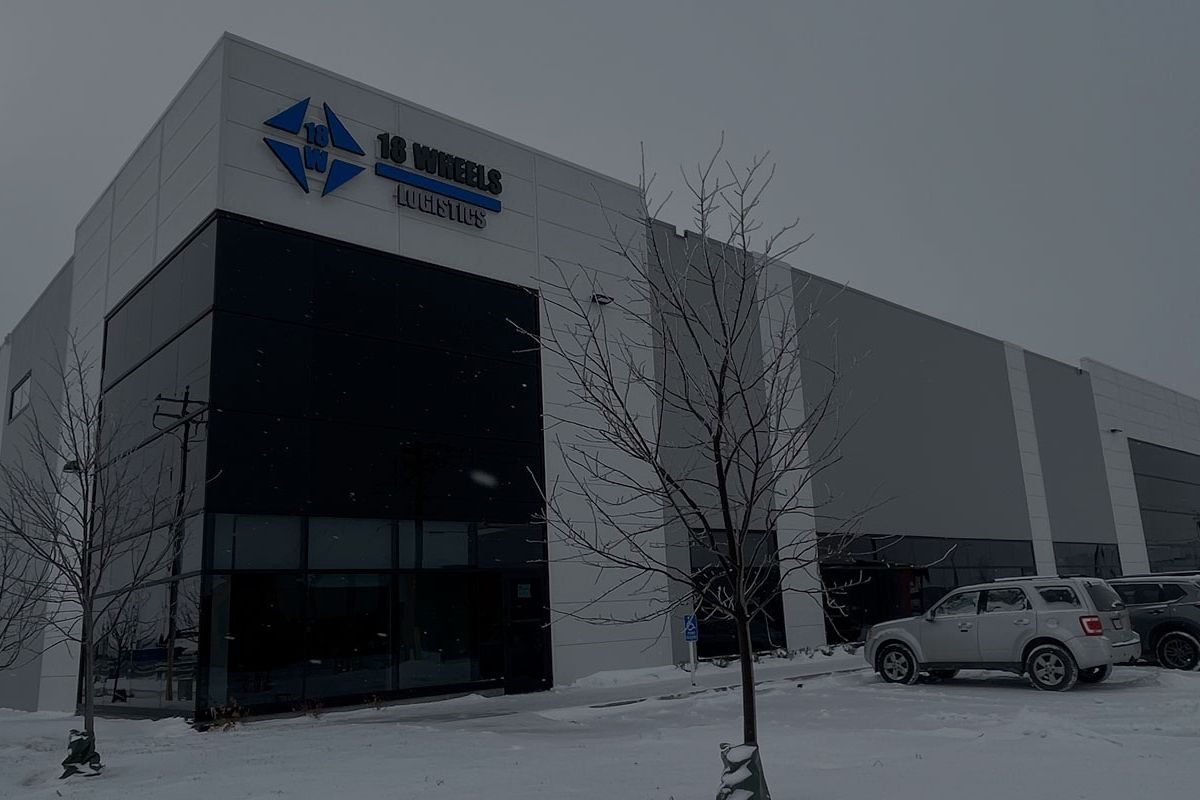
For business owners navigating the complexities of supply chain management, selecting the right Third-Party Logistics (3PL) provider is a critical decision. This choice becomes even more nuanced when considering geographically distinct hubs like Vancouver and Calgary.
Both cities offer unique advantages, but understanding their specific logistics landscapes is key to optimizing your operations and achieving significant cost savings.
Understanding the 3PL Landscape
Third-Party Logistics, or 3PL, involves outsourcing various aspects of your supply chain to a specialized provider. This can include services like warehousing, transportation, and distribution. A robust 3PL partnership allows businesses to focus on their core competencies while leveraging the expertise and infrastructure of logistics professionals.
Choosing a 3PL partner is more than just finding a service provider; it is about forming a strategic alliance that can enhance your market reach and operational efficiency. The right partner can offer flexible solutions, advanced technology, and a network of resources that might be otherwise inaccessible. This strategic approach is particularly vital in competitive markets where timely delivery and cost control are paramount.
Vancouver's Strategic Advantages for Logistics
Vancouver, as Canada's largest port city, holds a significant position in global trade. Its direct access to the Pacific Rim makes it an ideal gateway for goods entering and exiting North America.
Strengths of Vancouver 3PLs
- Direct Port Access: Proximity to major ports like Deltaport, Vanterm, and Centerm translates into streamlined import and export processes. This drastically reduces ocean drayage transit times and associated costs for businesses engaged in international trade.
- Multimodal Connectivity: Beyond its port, Vancouver benefits from a comprehensive network of road and rail connections (CP and CN Rail) that extend across Canada and into the United States.
- Specialized Customs Services: Vancouver 3PLs often feature Bonded & Sufferance facilities and CBSA Custom Exam Approved locations, allowing businesses to defer duty payments and prevent border delays.
Weaknesses of Vancouver 3PLs
- Higher Real Estate Costs: The port-centric infrastructure is geared towards international trade, often involving higher costs associated with prime real estate.
- Space Constraints: Due to geographical limitations (mountains and ocean), expanding warehouse footprints can be challenging and expensive.
Calgary's Growing Role in Distribution
Calgary, while landlocked, has rapidly emerged as a vital distribution hub in Western Canada. Its central location within the prairie provinces provides excellent access to a vast consumer market.
Strengths of Calgary 3PLs
Centralized Domestic Distribution: Calgary's strategic position allows for highly efficient ground transportation to major cities across Western Canada and the Pacific Northwest.
- Cost-Effective Infrastructure: The city offers expansive, modern warehousing facilities at a lower cost compared to coastal cities. Businesses can often find more affordable warehousing and labor, significantly impacting overall logistics expenses.
- Ample Space for Growth: With fewer geographical constraints, Calgary 3PLs can offer massive footprints. For example, modern facilities in Rocky View County boast over 200,000 square feet of space and extensive loading docks.
Weaknesses of Calgary 3PLs
- Lack of Direct Ocean Access: All imported goods arriving by sea must first be transported via rail or truck from coastal ports before reaching Calgary warehouses.
- Increased Initial Transit Time: For goods originating from Asia, the extra leg of the journey from Vancouver to Calgary adds days to the initial supply chain timeline.
The Dual-City Strategy: Why Both is Better
While businesses often feel compelled to choose between Vancouver and Calgary, the most sophisticated supply chains recognize that these cities are not mutually exclusive—they are highly complementary. Relying on a single node creates bottlenecks; utilizing both creates a resilient, high-performance network.
1. Optimizing the Import-to-Distribution Pipeline
By utilizing a Vancouver 3PL for initial receiving, businesses can immediately destuff ocean containers, clear customs, and sort inventory. High-velocity goods can be distributed directly to the dense BC market. The remaining inventory can then be efficiently transloaded onto rail or FTL (Full Truckload) transport to a Calgary facility. This prevents expensive ocean containers from sitting idle while moving bulk inventory inland at lower costs.
2. Balancing Cost and Speed
Vancouver provides the speed necessary for immediate coastal fulfillment and rapid customs clearance. Calgary provides the cost-effective, massive square footage required for long-term storage and nationwide distribution. By splitting inventory, businesses leverage the premium speed of the coast and the economical scale of the prairies.
3. Mitigating Supply Chain Risk
Recent years have proven that supply chains are vulnerable to disruptions—from port strikes and rail blockades to extreme weather events. Operating 3PL facilities in both Vancouver and Calgary builds inherent redundancy into your network. If a highway is washed out or a port is congested, having inventory staged in a secondary hub ensures that your customers still receive their orders on time.
Make an Informed Logistics Decision
Choosing how to structure your 3PL network is a strategic decision that impacts your entire supply chain. While Vancouver offers unparalleled international gateway access and Calgary provides cost-effective domestic distribution, the optimal choice for serving the West Coast is often a hybrid approach.
By partnering with a 3PL provider that operates robust facilities in both locations, you can seamlessly integrate the strengths of each city. This dual-node strategy minimizes transit times, reduces storage costs, and ensures timely delivery to your customers, ultimately transforming your supply chain into a powerful competitive advantage.