


2026
The Role of Logistics Providers in Supporting Calgary's Growing Food Industry
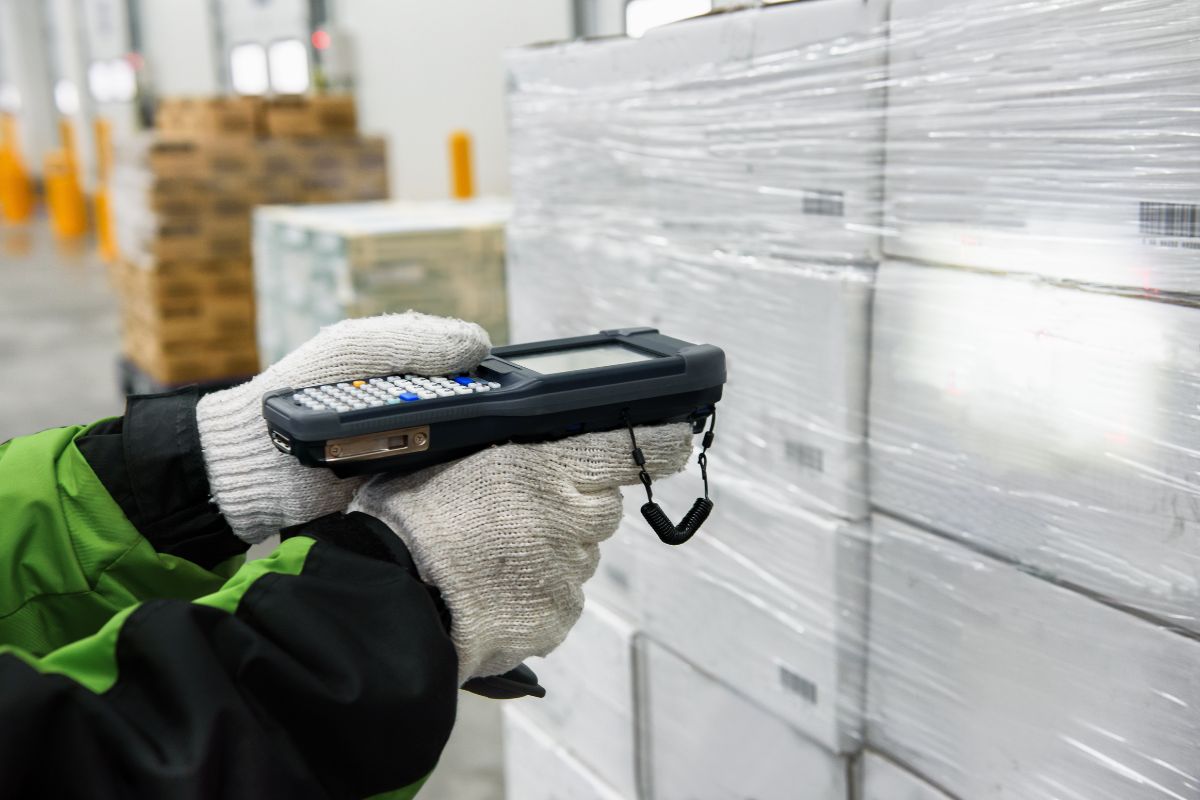
Calgary is rapidly transforming into a major hub for food production and distribution in Western Canada. As local agriculture, food processing, and beverage manufacturing sectors expand, the demand for robust supply chain solutions has never been higher. Without a reliable network to move these perishable goods from farm to table, this incredible growth would simply stall.
This is where specialized logistics providers step in to bridge the gap. By offering advanced storage, precise temperature control, and efficient transportation, these partners ensure that Calgary's food industry can scale safely and profitably. Let us explore exactly how these logistics experts are fueling the success of our local food and beverage businesses.
Maintaining Strict Safety Standards With Food Grade Warehousing
When dealing with consumable products, safety is the absolute highest priority. A single contamination event can ruin a brand's reputation and pose serious health risks to the public. For food manufacturers in Alberta, partnering with a logistics provider that understands these stakes is critical. Standard storage facilities simply do not have the infrastructure or the protocols required to handle sensitive food items.
Dedicated food grade warehousing facilities are designed from the ground up to prevent contamination. These specialized centers adhere to rigorous sanitation schedules, strict pest control measures, and comprehensive employee hygiene protocols. They are regularly audited to ensure compliance with national safety standards, giving brands the peace of mind that their inventory is protected.
Key features of a certified food storage facility include:
- Advanced climate control systems to prevent spoilage and maintain product integrity.
- Strict separation protocols to ensure allergens do not cross-contaminate other goods.
- Comprehensive tracking software to monitor expiration dates and manage inventory rotation.
- Routine third-party audits to verify compliance with HACCP and SQF safety standards.
By utilizing these highly regulated environments, Calgary food producers can confidently store their goods before distribution. This level of professional oversight is essential for maintaining the high quality that consumers expect from local brands.
Accelerating Distribution Through Strategic Cross-Docking
In the fast-paced food industry, speed is everything. Fresh produce, baked goods, and dairy products have incredibly short shelf lives. Every hour spent sitting in a storage facility eats into the product's viability and profitability. To combat this, modern logistics providers utilize a highly efficient strategy known as cross docking.
Instead of unloading goods, placing them on warehouse racks, and picking them again later, cross docking moves products directly from inbound trucks to outbound delivery vehicles. This process essentially bypasses the storage phase entirely. When a shipment of fresh ingredients arrives from a local Alberta farm, it is immediately sorted and loaded onto trucks destined for grocery stores or processing plants.
This rapid transfer system drastically reduces handling times and minimizes the risk of product damage. For Calgary's growing network of fresh food suppliers, this accelerated distribution model is the key to reaching wider markets across Western Canada while ensuring products arrive at peak freshness.
Managing Complex Beverage and Alcohol Inventories
Calgary's craft brewing and beverage manufacturing scene has exploded in recent years. From local kombucha makers to large-scale distilleries, the region is producing an incredible variety of drinks. However, storing and distributing liquids presents a unique set of logistical challenges that require specialized expertise.
Beverages are heavy, fragile, and often highly sensitive to temperature fluctuations. Furthermore, the distribution of alcoholic beverages is heavily regulated by provincial liquor boards. Logistics providers must navigate complex compliance requirements while ensuring that glass bottles and aluminum cans are handled with extreme care to prevent costly breakages.
Effective beverage logistics require specific operational capabilities:
- Heavy-duty racking systems designed to safely support the immense weight of liquid pallets.
- Temperature-regulated zones to prevent freezing in the winter and spoiling in the summer.
- Specialized handling equipment to move fragile glass inventory without causing damage.
- Strict compliance tracking to meet the legal requirements of provincial alcohol distribution.
By partnering with experts in beverage warehousing, local drink manufacturers can focus on crafting great products rather than worrying about the complexities of storage and regulatory compliance.
Enhancing Product Presentation With Custom Co-Packing
In a crowded retail environment, how a product is presented can make or break its success. Food and beverage brands constantly need to adapt their packaging for seasonal promotions, bulk club store displays, or special variety packs. Handling these packaging changes in-house is often inefficient and distracts from core manufacturing operations.
Logistics providers offer dedicated co-packing services to solve this problem directly within the distribution center. Instead of shipping products to a separate packaging facility, the goods are customized right where they are stored. This integrated approach saves significant time and transportation costs.
Whether a brand needs to bundle different flavors of sparkling water into a single variety pack or apply new bilingual labels for national distribution, these value-added services provide incredible flexibility. This allows Calgary food businesses to quickly respond to retail demands and consumer trends without disrupting their primary production lines.
Streamlining Supply Chains With 3PL Partnerships
As a food business grows from a local startup to a regional powerhouse, managing the supply chain becomes exponentially more difficult. Coordinating multiple carriers, tracking inventory across different facilities, and managing order fulfillment can quickly overwhelm an internal team. This is why many expanding companies choose to outsource these operations entirely.
By partnering with a comprehensive 3PL warehousing provider, food brands gain access to an entire ecosystem of logistics expertise. These third-party logistics partners act as an extension of the brand, handling everything from receiving raw materials to delivering finished goods to retail shelves.
The benefits of a strong 3PL partnership include:
- Scalable storage space that can easily accommodate seasonal spikes in inventory.
- Access to advanced warehouse management software for real-time inventory visibility.
- Reduced overhead costs by eliminating the need to lease private warehouse space.
- Expertise in navigating complex retail routing guides and delivery compliance standards.
This collaborative approach allows Calgary food entrepreneurs to scale their operations efficiently. They can leverage the infrastructure of a massive logistics network while maintaining the agility of a small business.
Connecting Calgary to National and Global Markets
While local success is a great starting point, the ultimate goal for many Calgary food producers is national or even international expansion. Reaching markets in Ontario, British Columbia, or the United States requires a logistics network capable of moving goods over vast distances reliably and cost-effectively.
Top-tier logistics providers offer integrated transportation solutions that connect Calgary to the rest of the continent. By utilizing a mix of intermodal rail, full truckload, and less-than-truckload freight options, these partners can design the most efficient shipping routes for any product. They also manage the complex documentation required for cross-border shipping, ensuring that food products clear customs without unnecessary delays.
This expansive reach is what truly transforms a local Calgary brand into a household name. By relying on the established networks of their logistics partners, food manufacturers can confidently accept large orders from national grocery chains, knowing they have the infrastructure to deliver.
Fueling the Future of Alberta's Food Economy
The relationship between Calgary's food producers and their logistics partners is deeply symbiotic. As the local food industry continues to innovate and expand, logistics providers are investing in better technology, larger facilities, and more efficient transportation methods to support them. This collaborative growth is a major driver of Alberta's broader economic diversification.
From ensuring the safety of fresh ingredients to delivering finished products across the continent, logistics professionals are the unsung heroes of the food supply chain. They provide the invisible infrastructure that allows our local culinary scene to thrive.
As consumer demand for high-quality, locally produced food continues to rise, the importance of these supply chain partnerships will only grow. By working together, Calgary's food brands and logistics experts are building a resilient, efficient, and highly successful industry that will feed our communities for decades to come.