


2026
Cross Docking in Calgary: Reducing Storage Costs & Increasing Speed
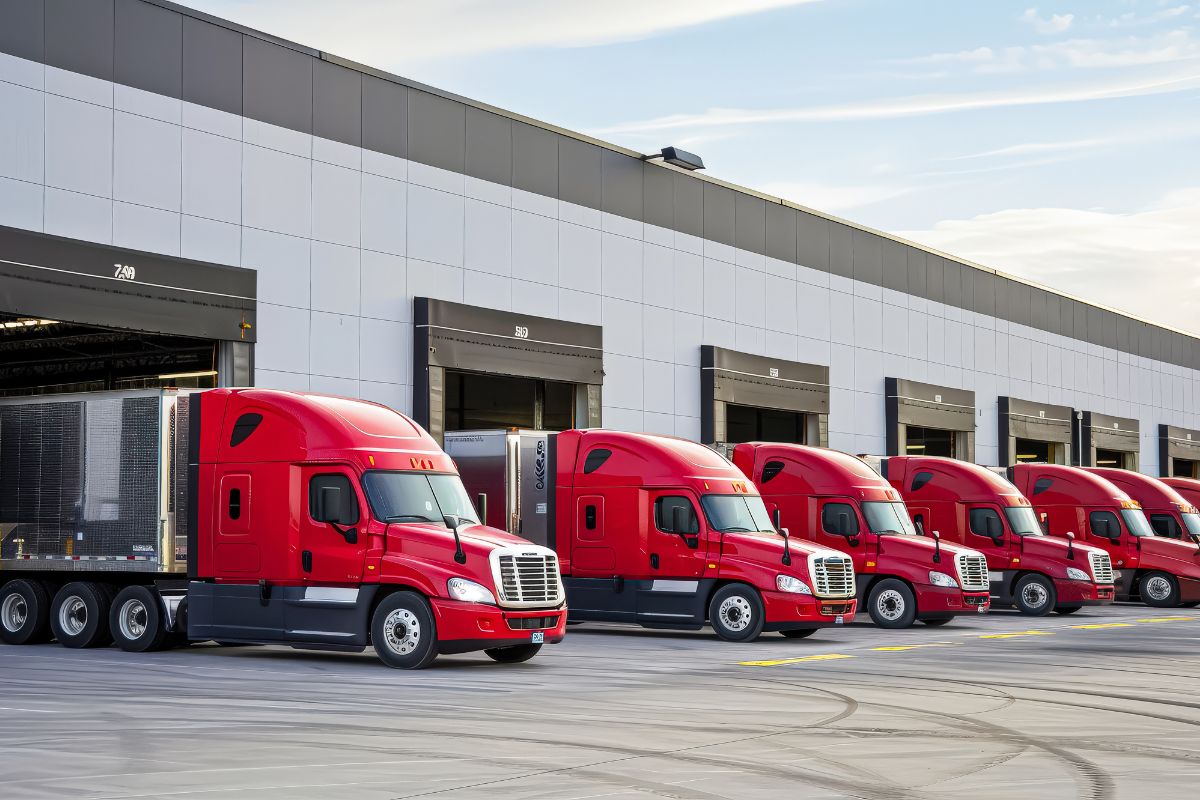
When freight idles in a warehouse, it eats into your profit margins. Traditional storage models require goods to be unloaded, cataloged, stored on racks, and eventually picked again for final delivery. In the fast-paced Western Canadian market, this lengthy process is no longer sufficient for businesses that need to move products rapidly.
To eliminate these delays, logistics managers are turning to a highly efficient strategy that bypasses the storage rack entirely. By transferring inbound cargo directly to outbound transportation, companies can drastically lower their overhead expenses while accelerating delivery timelines to major retail hubs.
Understanding The Mechanics Of Freight Transfers
The core concept behind this logistics strategy is continuous movement. Instead of placing goods into long-term inventory, a cross-docking facility acts as a high-speed sorting center. When an inbound truck arrives at the receiving dock, the cargo is immediately unloaded, inspected, and moved across the terminal to a waiting outbound truck.
This rapid transfer requires specialized infrastructure. A successful operation needs a massive footprint, typically featuring long banks of dock doors on opposite sides of the building. This layout allows multiple trailers to be processed simultaneously. Forklifts and pallet jacks act as the primary movers, seamlessly transitioning freight from a long-haul carrier to regional delivery vehicles in a matter of hours, rather than days.
Speed is the defining characteristic of this model. For example, a 53-foot trailer arriving from the United States can be stripped, sorted by destination, and reloaded onto local Alberta delivery trucks within a single shift. This eliminates the traditional put-away and picking phases that create bottlenecks in conventional supply chains.
Eliminating The Financial Burden Of Long Term Storage
Warehousing space is expensive, especially in prime industrial corridors. When you utilize a traditional storage model, you are paying for the square footage your products occupy, the labor required to manage that inventory, and the utilities needed to keep the facility running. These holding costs quickly accumulate and drag down your bottom line.
By keeping goods in constant motion, businesses can completely bypass these long-term storage fees. You no longer need to lease massive sections of racking to hold safety stock. Instead, you only pay for the handling and rapid sorting of the freight. This lean approach frees up significant working capital that can be reinvested into other areas of your business.
The financial benefits extend well beyond just rent reduction:
- Fewer touchpoints mean a massive reduction in the manual labor required to manage inventory.
- Decreased handling time significantly lowers the risk of product damage or shrinkage.
- Eliminating stagnant inventory improves overall cash flow and financial flexibility.
- Businesses can avoid the steep holding costs associated with seasonal inventory spikes.
When you strip away the dead weight of idle storage, your supply chain becomes a streamlined, cost-effective engine for growth.
Accelerating Delivery Timelines To Major Retailers
In the modern retail landscape, speed is the ultimate competitive advantage. Consumers expect fast fulfillment, and major retailers demand strict adherence to tight delivery windows. If your freight is stuck sitting in a warehouse, you risk missing these critical deadlines and facing costly chargebacks.
A high-velocity transfer model allows you to meet these demands by shortening the supply chain cycle. Products move directly from the manufacturer or port to the final destination without the typical storage delay. This is particularly vital for companies distributing to the massive fulfillment centers located in Rocky View County and the surrounding Calgary area.
For time-sensitive shipments, this speed is non-negotiable. Whether you are moving perishable food items, critical medical supplies, or high-demand consumer electronics, minimizing transit time ensures that your products reach the shelf while they are still relevant and fresh. This rapid turnaround is the key to maintaining strong relationships with your retail partners.
Optimizing Operations With Pre And Post Distribution
Not all freight moves the same way, which is why this logistics model is highly adaptable. Depending on your specific supply chain needs, you can utilize different strategies to sort and route your cargo effectively. The two most common approaches dictate when the final destination of the goods is determined.
Pre-distribution is the fastest method available. In this scenario, the supplier has already allocated the goods to specific customers before the shipment even arrives at the terminal. The warehouse staff simply unloads the freight, verifies the labels, and immediately moves it to the correct outbound dock. This requires highly accurate forecasting and excellent communication with the supplier.
Post-distribution offers more flexibility for fluctuating markets. Here, the goods arrive at the facility in bulk, and the final destinations are assigned based on real-time customer demand or current store inventory levels. While this requires a slightly longer sorting process, it allows businesses to react dynamically to changing market conditions.
Consolidating Shipments To Maximize Fleet Efficiency
Shipping partially empty trailers is a massive drain on your transportation budget. If you have multiple suppliers sending small shipments to the same region, paying for individual Less-Than-Truckload (LTL) deliveries will quickly destroy your profit margins. Consolidation is the strategic answer to this inefficiency.
A transfer hub allows you to combine these smaller inbound shipments into a single, fully loaded outbound trailer. For example, three different manufacturers can send their products to a central Calgary facility. The warehouse team then merges these goods onto one truck destined for a specific retail chain in Edmonton or Vancouver.
This consolidation strategy provides several distinct logistical advantages:
- It drastically reduces overall freight costs by maximizing the capacity of every outbound truck.
- It simplifies the receiving process for the end customer by delivering one large shipment instead of multiple small ones.
- It lowers the carbon footprint of your supply chain by reducing the total number of vehicles on the road.
- It allows smaller suppliers to leverage the cost benefits of Full Truckload (FTL) shipping rates.
By optimizing how your freight is grouped and routed, you ensure that every mile driven is generating maximum value.
Managing Inbound Ocean Freight With Precision
International shipping adds a layer of complexity to any supply chain. When an ocean container arrives from the port of Vancouver, it is often floor-loaded to maximize space. Unloading these containers haphazardly can lead to damaged goods and massive delays at the receiving dock.
Professional container stuffing & destuffing is essential for transitioning international freight into the domestic market. A specialized facility has the heavy-duty equipment and trained personnel required to strip a container quickly. The floor-loaded cargo is then palletized, shrink-wrapped, and prepared for immediate cross-country transit.
This rapid turnaround is crucial for avoiding expensive demurrage fees at the rail yard. By swiftly transferring the contents of an ocean container directly into domestic trailers, importers can keep their goods moving and return the empty container before penalties apply. This seamless transition is the final piece of a highly optimized North American distribution network.
Transforming Your Western Canadian Supply Chain
Relying on traditional storage methods in today's fast-paced market is a recipe for inflated costs and missed deadlines. By adopting a high-velocity transfer strategy, businesses can eliminate the financial burden of stagnant inventory and drastically accelerate their delivery timelines.
From consolidating LTL shipments to managing complex inbound containers, this approach streamlines every aspect of your logistics operation. The companies that leverage these rapid transfer hubs in Calgary are the ones that will consistently outperform their competitors and dominate the Western Canadian market.