


2026
Container De-Stuffing & Stuffing Services in Calgary Explained
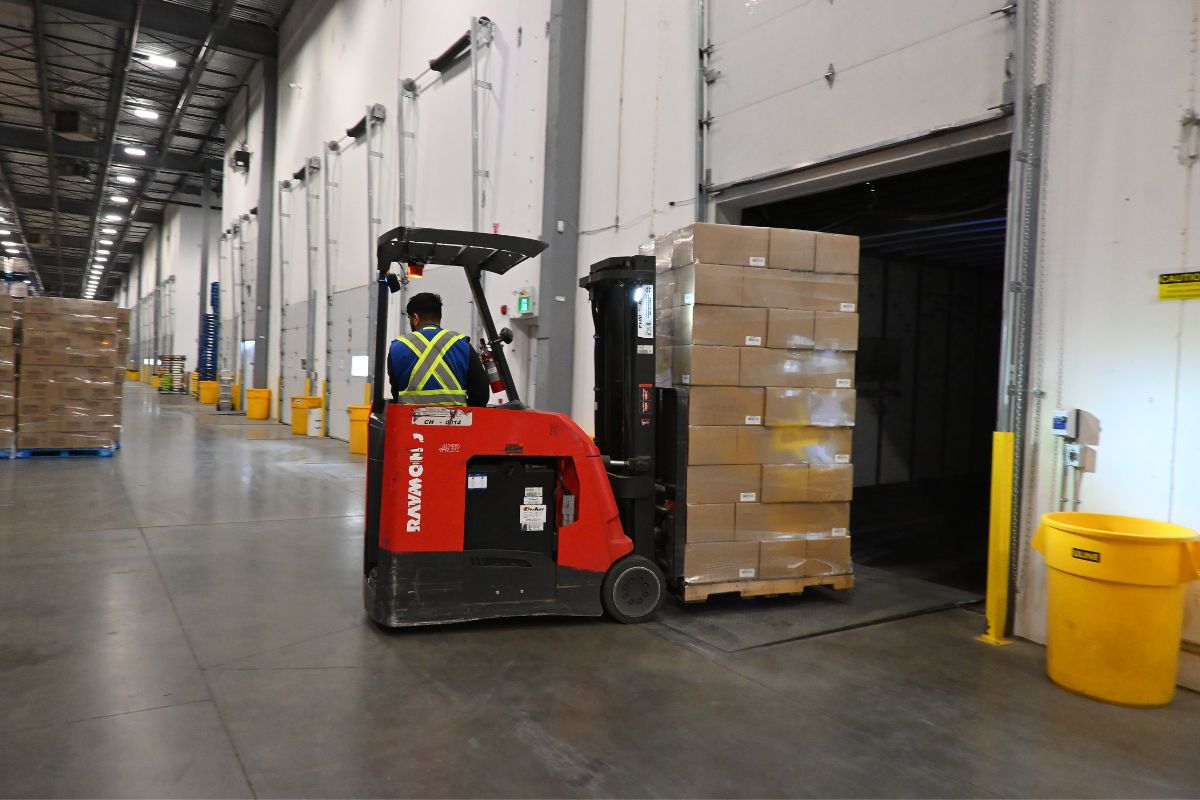
Container de-stuffing, also called devanning, is the process of unloading cargo from an ocean container, sorting and inspecting it, and palletizing it for storage or onward shipment. Container stuffing is the reverse: loading and securing cargo into a container for export. In Calgary, both services usually happen at a warehouse with container-capable doors and yard space, and both are timed around one hard constraint. The container has to go back.
That constraint drives more cost than the labour does. Understanding it changes how you plan.
Demurrage and detention: the clock that costs money
These two charges get used interchangeably and they are not the same thing.
Demurrage accrues when your container sits at the terminal or rail yard past its free time. Detention accrues once you have taken the container away and kept it longer than allowed before returning the empty. Free periods vary by carrier and by terminal, and they are frequently shorter than importers expect, often just a handful of days, sometimes fewer during congestion. Daily rates escalate the longer the container stays out, which means a container that sits in your yard over a long weekend can generate charges that dwarf the cost of unloading it.
For inland destinations like Calgary, the timeline compresses further, because rail transit consumes part of the free period before the box ever reaches you. The practical consequence: schedule the de-stuff appointment before the container arrives, not after.
What actually happens during a de-stuff
Most import containers arriving in Calgary are floor-loaded, with cartons stacked directly on the container floor, no pallets, packed tight to maximize cubic utilization. A 40-foot high-cube holds a substantial volume of cargo this way, and it all comes out by hand.
The sequence runs roughly like this. The container arrives at the dock and gets inspected for damage and seal integrity, with the seal number recorded against the shipping documents. Crew unloads carton by carton, counting against the packing list as they go. Discrepancies get flagged immediately. This is the moment to catch a shortage or damage, because claims become significantly harder to support once the container has left. Cartons get built onto pallets in a configuration that suits your storage or onward shipping, stretch wrapped, and labelled. Damaged goods get segregated and photographed. Dunnage and packaging waste get removed and disposed of. Finally, the empty container returns to the terminal, and the receiving report goes to you.
A standard 40-foot container typically takes a crew several hours to de-stuff cleanly, though heavy cartons, mixed SKUs requiring sortation, or product needing inspection extend that considerably.
Pricing generally follows one of two structures: a flat rate per container, or an hourly labour rate. Flat rates suit predictable, uniform cargo. Hourly pricing suits mixed loads where the work varies. Ask which applies to your cargo profile, and ask what triggers a move from one to the other, because an unexpectedly complex container billed hourly produces a surprise on the invoice.
Transloading: the reason many importers de-stuff at all
Here is the strategic piece. Ocean containers are sized for ships. Domestic North American freight moves in 53-foot trailers, which hold meaningfully more cargo than a 40-foot container. Transloading, which means de-stuffing ocean containers and reloading into domestic trailers, consolidates the contents of multiple containers into fewer domestic loads.
The savings compound over distance. An importer distributing across Western Canada from Calgary reduces the number of line-haul moves required, returns containers to the steamship line promptly, and stops paying detention on equipment that would otherwise sit while product trickles out. Transloading also lets you break a single container into multiple destinations, which a direct container delivery cannot do.
Container stuffing for export
Stuffing runs the same process in reverse, with additional compliance layers that matter more than most exporters realize.
Load planning comes first. Weight distribution across the container floor affects both safety and legal road limits, and a container that is legal by total weight can still be illegal by axle weight if the cargo sits badly. Under SOLAS regulations, the shipper must provide a verified gross mass for every packed export container before it can be loaded onto a vessel, a certified total weight rather than an estimate. Missing or inaccurate VGM stops the container at the terminal.
Securing the load matters just as much. Ocean transit subjects cargo to sustained motion in several directions, and loads that would survive a highway trip fine come apart at sea. Proper blocking, bracing, airbags, and strapping protect the cargo and protect you from a claim.
Wood packaging carries its own requirement. Under international phytosanitary standards, solid wood pallets, crates, and dunnage used in export shipments must be treated and marked accordingly. Untreated wood gets shipments refused at destination, and the cost of that failure lands entirely on the exporter.
Documentation closes it out: packing list, seal number recorded and communicated, photographs of the loaded container, and the export paperwork your freight forwarder needs.
How to keep the process from costing you
A few habits separate importers who manage this well from those who pay for it repeatedly. Book the de-stuff appointment as soon as you have a vessel ETA, and update it when the schedule shifts, which it will. Send the packing list ahead of the container so the receiving team can plan pallet configuration and staffing rather than improvising. Tell your provider about anything unusual before the box arrives: overweight cartons, fragile goods, mixed SKUs requiring sortation, or product needing inspection. Confirm who arranges the empty return and who is accountable if it is late, in writing, before the first container ships.
And build your free time into your ordering calendar. The most expensive containers are the ones that arrive during a week when nobody had capacity to unload them.
We handle de-stuffing, transloading, palletization, and export stuffing at our Calgary facility, with yard space for container staging and coordination with rail and drayage. See our full range of Calgary warehousing and distribution services, or contact our team with your container volumes and cargo type for scheduling and pricing.