


2026
Bonded Warehousing in Calgary: Who Needs It and Why
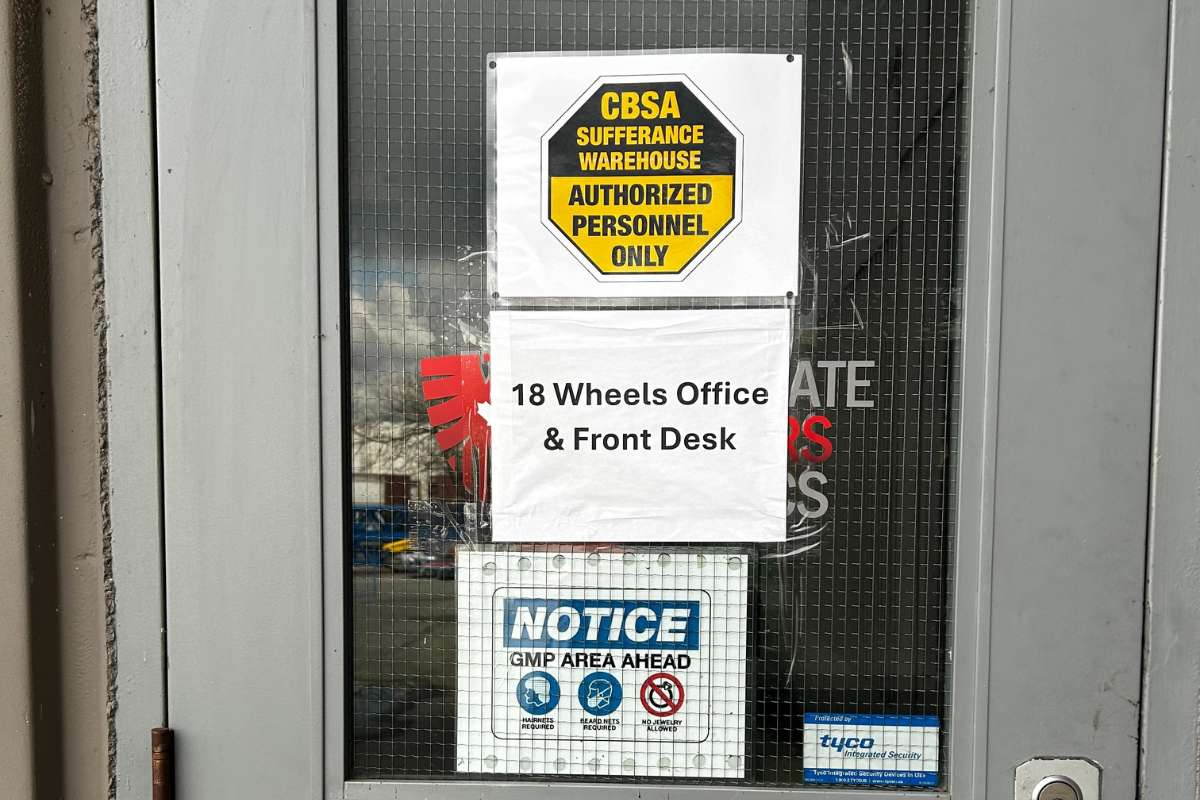
A customs bonded warehouse is a facility licensed by the Canada Border Services Agency where imported goods are stored without paying duty and GST at the time of arrival. Payment comes due only when the goods are released into the Canadian market. If those goods leave Canada instead, the duty is never paid at all. For importers holding significant inventory, that timing difference frees up working capital that would otherwise sit dormant on a shelf.
Calgary matters here because of where it sits. Goods arriving through Vancouver or Prince Rupert can move inland under customs control and clear closer to where they will actually be sold, and Calgary reaches most of Western Canada within a day or two. Holding bonded inventory here rather than on the coast keeps distribution options open without triggering the duty bill.
Bonded warehouse versus sufferance warehouse
These get confused constantly, and the difference is significant.
A sufferance warehouse is a short-term holding facility for goods that have arrived in Canada but have not yet been released by CBSA. It exists so the agency can examine or process shipments. Storage there is measured in days, and the facility operator controls the goods until release.
A customs bonded warehouse is a long-term storage option. Goods can remain under bond for an extended period (generally up to four years, with shorter limits on certain categories) while the importer decides where they are going. The importer keeps commercial control of the inventory throughout.
Put simply: a sufferance warehouse is a waiting room, and a bonded warehouse is a storage strategy.
Who benefits most
- Importers who re-export a portion of their inventory. This is the clearest case by a wide margin. A company bringing goods into Canada for distribution across North America and beyond pays duty only on what actually enters the Canadian market. Goods that ship onward to the U.S., Mexico, or overseas leave the bonded facility without generating Canadian duty. Without a bond, that importer pays duty on arrival and then chases recovery through drawback afterward, a process that works but consumes months and administrative effort.
- Importers of high-duty goods. Duty rates vary enormously by tariff classification. Many industrial inputs enter duty-free, while apparel, footwear, and certain finished consumer goods carry rates high enough that deferral produces meaningful cash flow benefit. Add GST on the duty-inclusive value and the deferred amount grows further.
- Businesses affected by surtaxes and trade measures. Canada has applied surtaxes and special measures to various goods in recent years in response to trade disputes. Where these apply, the deferral value climbs sharply, and holding goods under bond preserves the option to redirect them outside Canada rather than absorbing the charge.
- Seasonal and slow-turn importers. A company importing a full season's inventory in one shipment pays duty on the entire quantity months before most of it sells. Under bond, duty follows the sales curve instead of the arrival date.
- Companies still finalizing their market. If you genuinely do not know yet whether a shipment is destined for Canadian customers or export, bonding preserves the choice without a financial penalty for waiting.
What you can and cannot do to bonded goods
CBSA permits a specific set of activities on goods stored under bond. You can store, examine, mark, label, package and repackage, and prepare goods for shipment. You can break down bulk quantities and consolidate shipments. You can display goods and test them.
You cannot manufacture. Any operation that materially alters the goods (assembly into a different product, processing that changes the tariff classification) falls outside what a bonded warehouse permits, and requires a different program entirely.
Record keeping is where the real obligation sits. Every receipt, every movement, and every removal must be documented and reconcilable to CBSA's satisfaction, and the licensee carries responsibility for the goods under a security requirement. This is precisely why most importers use a licensed 3PL rather than pursuing a licence themselves. The compliance infrastructure is substantial, and it needs to be correct every single time.
When bonded warehousing is the wrong tool
Be honest about whether you need it. If your goods enter Canada duty-free under a free trade agreement or a favourable tariff classification, there is very little to defer, and bonded storage typically costs more per pallet than standard storage. GST deferral still has some value, but it rarely justifies the premium on its own for a company selling entirely within Canada.
If your inventory turns quickly, arriving and shipping within weeks, the cash flow benefit of deferring duty for a short window is small relative to the added handling and administrative cost.
There are also alternatives worth comparing. The Duties Relief Program allows qualifying companies to import without paying duty on goods that will be exported, without requiring bonded storage. Duty drawback recovers duty already paid on subsequently exported goods. Each has different documentation demands and cash flow profiles. A competent customs broker will tell you which fits your pattern, and sometimes the answer is a combination.
Getting the operational side right
CBSA's assessment and revenue management platform is now the system of record for commercial importer accounting, which means importers need their own account, security posture, and internal processes properly established. Companies that treated customs as something their broker handled invisibly have had to become more involved than they were before.
Practically, plan for a few things. Removals from bond require a customs entry before goods can ship, so build that step into your order cutoff times rather than discovering it on a rush order. Keep your classifications current, because duty deferred at the wrong rate is a problem waiting to surface during an audit. And confirm how your provider handles partial removals, since most importers pull inventory in fragments rather than full shipments.
We operate bonded storage as part of our Calgary warehousing and distribution services, including receiving, inventory control, and coordination with your customs broker on removals. If you are importing into Western Canada and want a straight assessment of whether bonding earns its cost for your product mix, get in touch with your tariff classifications and annual volumes and we will work through it with you.